
In today’s highly competitive digital landscape, customers interact with brands across multiple platforms websites, social media, emails, mobile apps, and even offline stores. Businesses that fail to connect these touchpoints often lose potential customers.
This is where an omnichannel marketing strategy becomes essential.
Unlike traditional marketing approaches that operate in silos, omnichannel marketing ensures a seamless and consistent customer experience across all channels. Whether a customer interacts with your brand on Instagram, visits your website, or walks into your store, the experience remains unified.
Understanding how to build an omnichannel marketing strategy is crucial for businesses that want to stay relevant, competitive, and customer-focused.
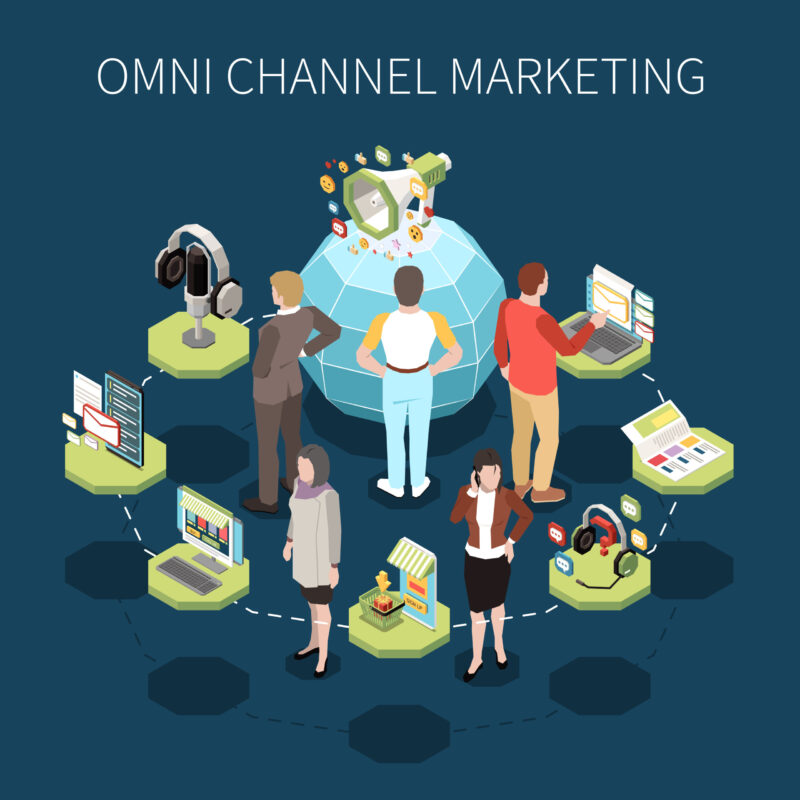
What is an Omnichannel Marketing Strategy?
An omnichannel marketing strategy is a customer-centric approach that integrates all marketing channels to deliver a consistent and personalized experience.
It connects:
- Online platforms (website, social media, email)
- Offline channels (stores, events, customer service)
- Communication systems (chat, calls, CRM)
The goal is simple—ensure that customers can move seamlessly between channels without any disruption.
For example, a customer might:
- Discover your brand on social media
- Visit your website
- Receive a follow-up email
- Make a purchase through a mobile app
A well-planned omnichannel strategy ensures all these interactions feel connected.
Why Omnichannel Marketing is Important for Businesses
Modern consumers expect convenience, personalization, and consistency. Businesses that deliver this experience gain a competitive advantage.
Here’s why an omnichannel marketing strategy is critical:
1. Improved Customer Experience
Customers enjoy a seamless journey across platforms, which increases satisfaction and loyalty.
2. Higher Conversion Rates
Consistent messaging across channels builds trust and encourages faster decision-making.
3. Better Customer Insights
Integrated systems provide a complete view of customer behavior.
4. Stronger Brand Identity
Unified communication strengthens brand recognition.
Many companies work with the best digital marketing agency in Pune to design and execute omnichannel strategies that deliver measurable results.
7 Steps to Create an Effective Omnichannel Marketing Strategy
Building an omnichannel system requires planning, integration, and continuous optimization. Below are seven proven steps to implement a successful omnichannel marketing strategy.
1. Understand Your Customer Journey
The foundation of any successful strategy is understanding your audience.
Map out:
- Where customers discover your brand
- How they interact with your content
- What influences their decisions
Customer journey mapping helps identify gaps and opportunities for improvement.
2. Centralize Your Customer Data
Data is the backbone of omnichannel marketing.
Use tools like CRM systems to collect and unify customer data from:
- Website interactions
- social media engagement
- email campaigns
- purchase history
This allows businesses to deliver personalized experiences across all channels.
3. Maintain Consistent Brand Messaging
Consistency is key in an omnichannel marketing strategy.
Ensure that:
- brand voice is uniform
- visuals are aligned
- messaging reflects the same values
Inconsistent communication confuses customers and weakens brand trust.
4. Integrate All Marketing Channels
Instead of treating channels separately, businesses should connect them.
Examples:
- Social media campaigns linked to landing pages
- Email marketing aligned with website offers
- Offline promotions synced with online campaigns
This integration ensures a smooth customer journey.
5. Leverage Automation and Technology
Automation tools help manage complex omnichannel systems efficiently.
Businesses can automate:
- email campaigns
- customer follow-ups
- retargeting ads
- lead nurturing processes
Many companies partner with the best digital marketing agency in Pune to implement advanced marketing automation tools and workflows.
6. Personalize Customer Experiences
Personalization is a key driver of engagement.
Use customer data to:
- recommend relevant products
- send targeted emails
- create customized offers
Personalized experiences make customers feel valued and increase loyalty.
7. Monitor, Analyze, and Optimize
An omnichannel strategy is never static.
Track key metrics such as:
- customer engagement
- conversion rates
- channel performance
- customer retention
Continuous optimization ensures long-term success.
Common Challenges in Omnichannel Marketing
While the benefits are clear, implementing an omnichannel marketing strategy comes with challenges.
1. Data Silos
Disconnected systems prevent effective data sharing.
2. Lack of Integration
Many businesses struggle to connect multiple platforms.
3. Inconsistent Customer Experience
Different teams managing different channels can lead to inconsistencies.
4. Technology Limitations
Without the right tools, managing omnichannel marketing becomes difficult.
This is why businesses often collaborate with the best digital marketing agency in Pune to overcome these challenges and build scalable systems.
Omnichannel vs Multichannel Marketing
Many people confuse omnichannel with multichannel marketing.
Multichannel Marketing
- Uses multiple platforms
- Channels operate independently
- Focus is on presence
Omnichannel Marketing
- Integrates all channels
- Focus is on customer experience
- Ensures seamless interaction
An omnichannel marketing strategy goes beyond just being present on multiple platforms—it creates a unified ecosystem.
Real Business Impact of Omnichannel Strategy
Businesses that adopt omnichannel marketing experience measurable growth.
Key outcomes include:
- Increased customer retention
- Higher lifetime value
- Improved ROI on marketing campaigns
- Stronger brand loyalty
Customers today expect brands to understand their needs and provide consistent experiences. Businesses that meet these expectations stand out in competitive markets.
Role of a Digital Marketing Agency
Implementing an omnichannel strategy requires expertise, tools, and continuous monitoring.
Working with professionals allows businesses to:
- build integrated marketing systems
- optimize campaigns across channels
- analyze performance data effectively
- scale marketing efforts efficiently
Partnering with the best digital marketing agency in Pune ensures that businesses can implement advanced strategies without operational complexity.
Future of Omnichannel Marketing
The future of marketing is customer-centric and data-driven.
Emerging trends include:
- AI-driven personalization
- voice search integration
- advanced analytics
- real-time customer engagement
Businesses that invest in omnichannel strategies today will be better positioned for future growth.
In a world where customers interact with brands across multiple touchpoints, businesses cannot afford to operate in silos.
An effective omnichannel marketing strategy ensures:
- seamless customer experience
- consistent brand messaging
- improved engagement
- higher conversions
Companies that adopt this approach gain a significant competitive advantage.
Whether you are a startup or an established business, investing in omnichannel marketing is no longer optional it is essential for sustainable growth.