
In today’s competitive business landscape, brands that listen to their customers grow faster than those that don’t. While many businesses invest heavily in ads and branding, they often overlook one of the most powerful growth tools customer feedback.
Understanding customer feedback marketing can completely transform how businesses connect with their audience, refine their messaging, and improve overall marketing performance.
Instead of guessing what customers want, successful brands use feedback to make data-driven decisions. This approach not only improves marketing ROI but also builds stronger customer relationships.
What is Customer Feedback Marketing?
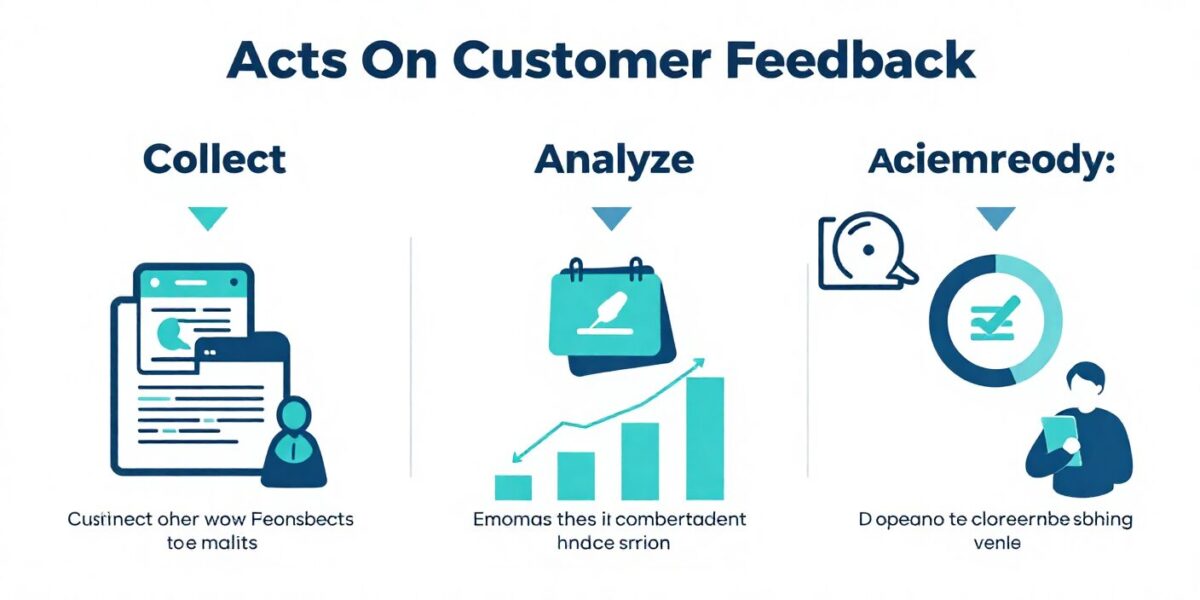
Customer feedback marketing is the process of collecting, analyzing, and using customer opinions, reviews, and suggestions to improve marketing strategies.
This includes:
- Reviews and testimonials
- Survey responses
- Social media comments
- Customer support interactions
- Website behavior insights
By leveraging this data, businesses can create more relevant campaigns that directly address customer needs.
Why Customer Feedback is Crucial for Marketing Success
Many businesses create marketing campaigns based on assumptions. However, assumptions often lead to poor targeting and low engagement.
Customer feedback helps businesses:
- Understand real customer pain points
- Improve messaging clarity
- Increase trust and credibility
- Optimize products and services
- Create personalized marketing campaigns
This is why customer feedback marketing plays a critical role in modern digital marketing strategies.
7 Smart Ways Customer Feedback Improves Your Marketing Strategy
1. Helps You Understand Your Target Audience Better
Customer feedback provides direct insights into what your audience truly wants.
Instead of relying only on market research, businesses can use real conversations to:
- identify customer problems
- understand buying behavior
- discover expectations
This makes your marketing more accurate and impactful.
2. Improves Your Brand Messaging
If your marketing message is not resonating, feedback will reveal why.
Customers often express:
- confusion about your offer
- objections before buying
- reasons for choosing competitors
By analyzing this, businesses can refine messaging to make it clearer and more compelling.
3. Builds Trust Through Social Proof
Reviews and testimonials are powerful marketing assets.
When potential customers see real experiences, they are more likely to trust your brand.
Using feedback in marketing materials such as:
- website content
- landing pages
- social media posts
can significantly improve conversion rates.
4. Enhances Customer Experience
Marketing is not just about attracting customers—it’s also about retaining them.
Customer feedback highlights areas where businesses can improve:
- website usability
- customer support
- product quality
A better experience leads to higher customer satisfaction and repeat business.
5. Helps You Create Data-Driven Campaigns
Instead of guessing what will work, feedback allows businesses to make informed decisions.
For example:
- If customers mention pricing concerns, you can adjust your offers
- If customers love a feature, you can highlight it in ads
This makes campaigns more effective and reduces wasted budget.
Many companies work with the best digital marketing agency to analyze feedback data and convert it into actionable strategies.
6. Identifies New Market Opportunities
Customer feedback often reveals hidden opportunities.
Customers may suggest:
- new features
- additional services
- improvements
These insights can help businesses expand their offerings and target new markets.
7. Strengthens Customer Relationships
When businesses listen and act on feedback, customers feel valued.
This leads to:
- stronger brand loyalty
- higher engagement
- positive word-of-mouth
Customer-centric brands always outperform competitors in the long run.
How to Collect Customer Feedback Effectively
To implement customer feedback marketing, businesses must collect feedback from multiple sources.
1. Surveys and Forms
Short and simple surveys help gather structured insights.
Ask questions like:
- What problem are you trying to solve?
- What made you choose our product?
- What can we improve?
2. Social Media Listening
Customers often share honest opinions on social platforms.
Monitoring comments, messages, and mentions provides valuable real-time feedback.
3. Website Analytics
Tools like heatmaps and user behavior tracking reveal how customers interact with your website.
This helps identify friction points in the user journey.
4. Customer Reviews and Testimonials
Encourage customers to leave reviews on:
- social media
- your website
These insights are essential for improving both marketing and product strategy.
How to Use Customer Feedback in Your Marketing Strategy
Collecting feedback is only the first step. The real impact comes from how you use it.
1. Improve Your Content Strategy
Use customer questions and concerns to create:
- blog topics
- FAQs
- educational videos
This ensures your content directly addresses customer needs.
2. Optimize Your Website
If feedback highlights confusion, simplify your website structure and messaging.
Clear communication improves conversions.
3. Personalize Marketing Campaigns
Segment your audience based on feedback and behavior.
This allows you to create personalized campaigns that resonate better with different customer groups.
4. Enhance Product Positioning
Highlight features that customers value the most.
This improves the effectiveness of your marketing campaigns.
5. Strengthen Your Ad Strategy
Customer language can be directly used in ad copy.
This makes ads more relatable and increases click-through rates.
Businesses often collaborate with the best digital marketing agency to implement these strategies effectively.
Common Mistakes Businesses Make with Customer Feedback
Even when businesses collect feedback, they often fail to use it properly.
Avoid these mistakes:
- Ignoring negative feedback
- Collecting data but not analyzing it
- Not taking action on insights
- Overcomplicating feedback processes
- Focusing only on positive reviews
Effective customer feedback marketing requires consistent effort and strategic implementation.
The Role of a Digital Marketing Agency
Implementing feedback-driven strategies requires expertise, tools, and continuous optimization.
Working with the best digital marketing agency helps businesses:
- analyze customer data
- optimize marketing campaigns
- improve customer targeting
- scale marketing efforts efficiently
Agencies bring experience and structured processes that accelerate business growth.
Customer feedback is no longer optional—it is essential for modern marketing success.
Businesses that actively listen to their customers gain a significant competitive advantage.
By implementing customer feedback marketing, brands can:
- improve marketing accuracy
- increase engagement
- build stronger relationships
- drive higher conversions
In a world where customer expectations are constantly evolving, feedback is the key to staying relevant and competitive.
Start listening, start improving, and watch your marketing strategy transform.